
5 Common Dog Training Mistakes and How to Avoid Them
LM
Understanding the Basics of Dog Training
Training your dog can be a rewarding experience, but it's important to avoid common pitfalls that can hinder progress. Whether you're a new dog owner or have years of experience, being aware of these mistakes can make the process smoother and more effective.
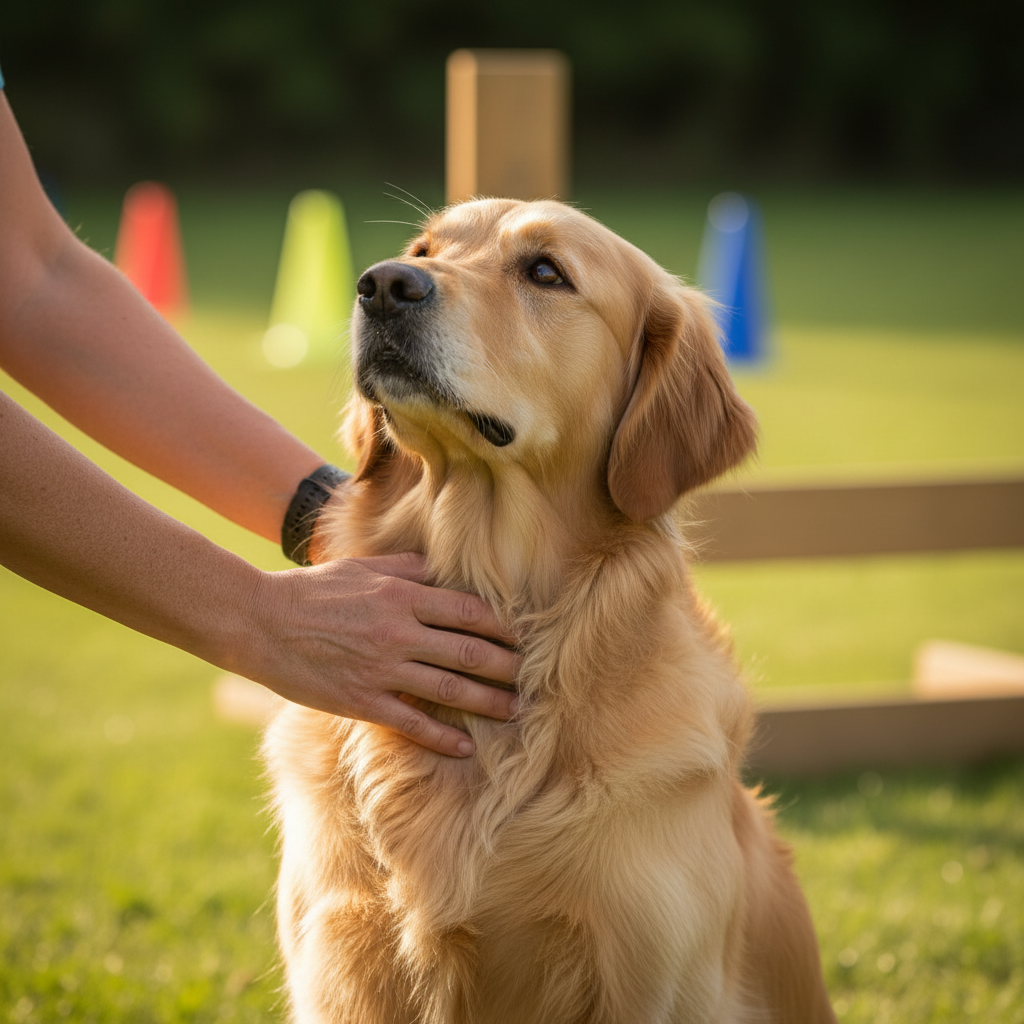
Inconsistent Commands
One of the most frequent mistakes in dog training is inconsistency. Dogs thrive on routine and repetition. If you vary the commands or expectations, it can confuse your pet. Consistency helps your dog understand what is expected of them, leading to faster learning and better behavior.
To avoid this mistake, use the same words for commands and ensure everyone in your household does the same. This uniformity will help reinforce the behavior you want to encourage.
Skipping Basic Training
Sometimes, dog owners skip basic obedience training, thinking their pet will naturally pick up good behavior. However, skipping foundational training can lead to behavioral issues down the road. Basic commands like sit, stay, and come are crucial for any well-behaved dog.
Invest time in teaching these basic commands early on. It not only establishes a good foundation but also strengthens the bond between you and your dog.
Using Negative Reinforcement
Another common mistake is relying too heavily on negative reinforcement. Punishing a dog for bad behavior can lead to fear and anxiety, which often exacerbates the problem. Instead, focus on positive reinforcement techniques, such as treats and praise, to encourage good behavior.
Reward-based training has been proven to be more effective and fosters a positive relationship between you and your dog.
Ignoring Your Dog's Body Language
Dogs communicate a lot through body language. Ignoring these signals can lead to misunderstandings and ineffective training sessions. Pay attention to signs of stress or discomfort, like yawning, lip licking, or avoiding eye contact.

By being attuned to your dog's body language, you can adjust your training approach to ensure they are comfortable and receptive to learning.
Lack of Patience
Training takes time and patience. Many dog owners expect overnight results, and when progress seems slow, they can become frustrated. This impatience can negatively impact the training process.
Remember that every dog learns at their own pace. Celebrate small victories and remain patient. Consistent, patient training will eventually yield the desired results.
By avoiding these common mistakes, you can make dog training a more enjoyable and successful experience for both you and your furry friend. With patience, consistency, and positive reinforcement, your dog will be well on their way to becoming a well-behaved member of your family.