
Choosing the Best Dog Food for Your Pet: A Gourmet Guide
LM
Understanding Your Dog's Nutritional Needs
Choosing the best dog food for your pet is more than just picking the most colorful bag on the shelf. Understanding your dog's nutritional needs is crucial to ensuring their health and happiness. Dogs require a balanced diet rich in proteins, fats, carbohydrates, vitamins, and minerals. The right food can boost their immune system, keep their coat shiny, and maintain their digestive health.
Types of Dog Food Available
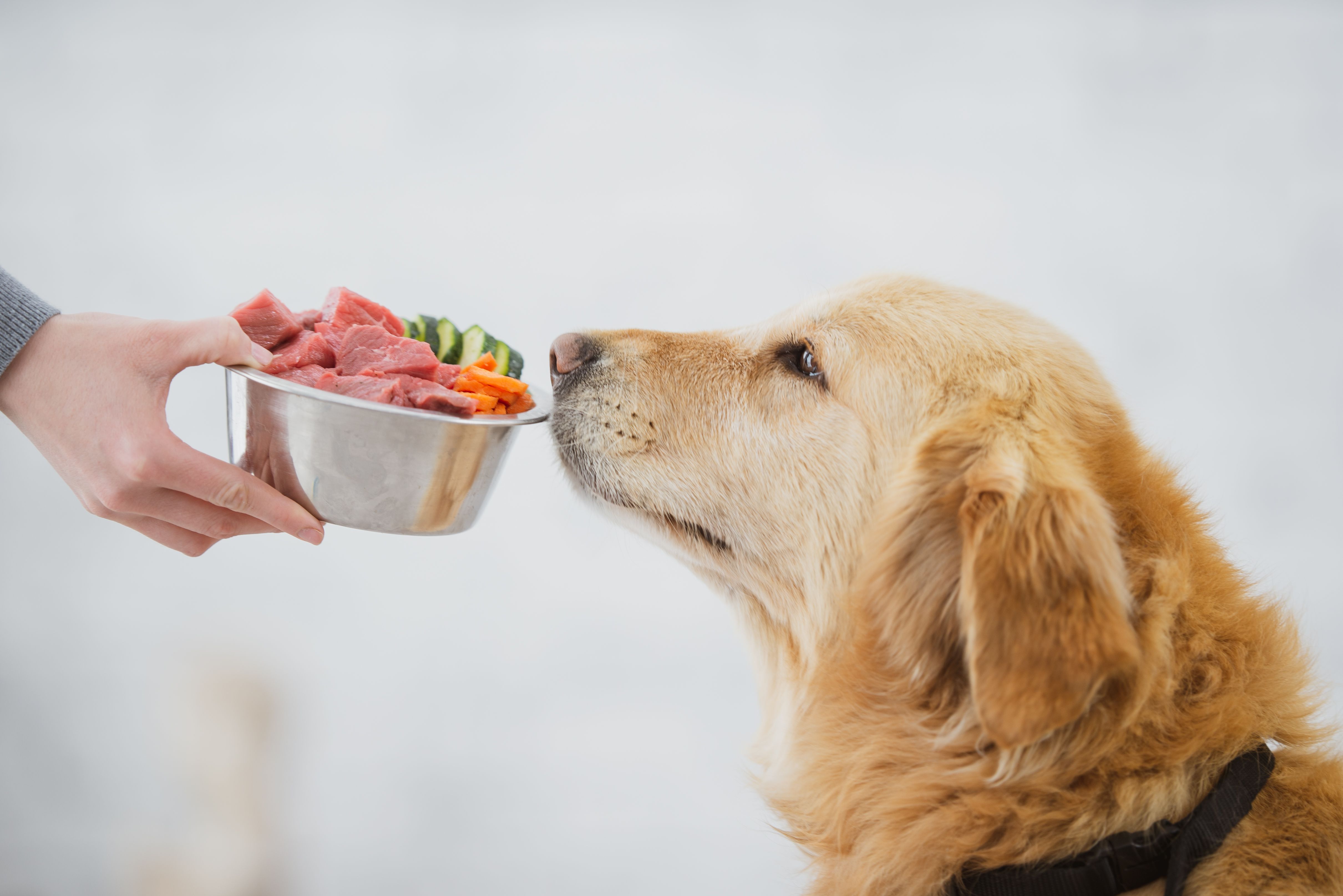
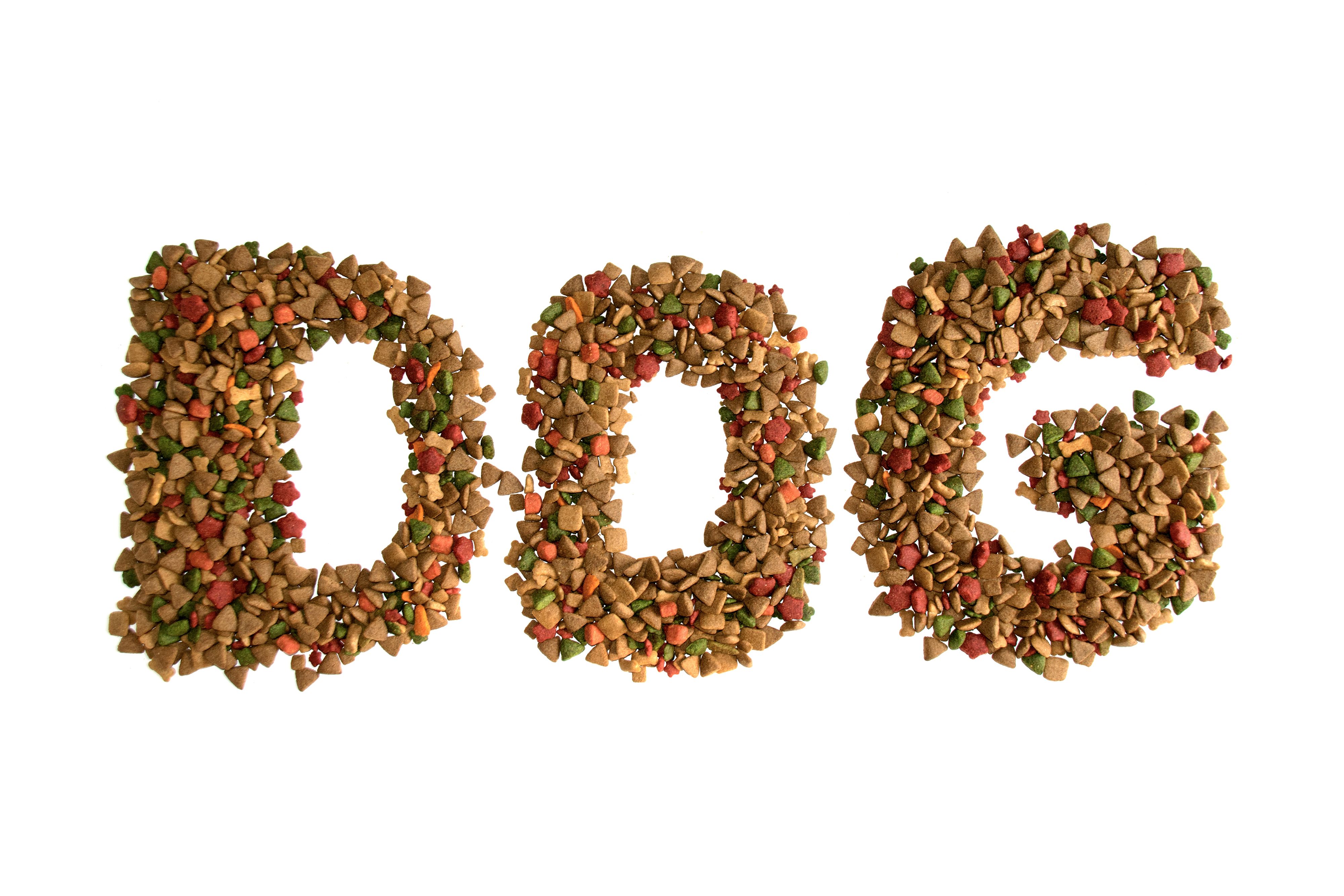
There are several types of dog food to consider, each with its own benefits. Dry kibble is a popular choice due to its convenience and long shelf life. Canned or wet food often contains more protein and fewer preservatives. Raw food diets are also gaining popularity, offering a more natural approach to feeding your dog. It's important to weigh the pros and cons of each type and choose what aligns best with your dog's needs and your lifestyle.
In addition to the basic types, there are also specialty foods designed for specific health conditions or stages of life. Puppies, adults, and senior dogs all have unique nutritional requirements. Additionally, some dogs may benefit from food tailored for weight management, joint health, or food sensitivities.
Reading Dog Food Labels
When choosing dog food, reading and understanding labels is key. Look for foods where real meat is the first ingredient, as this indicates a higher quality protein source. Avoid products with excessive fillers like corn and wheat, which provide little nutritional value. Check for any artificial preservatives, colors, or flavors, as these can be harmful in the long run.
Ingredients to Watch Out For
Be cautious of ingredients that may cause allergies or digestive issues in your dog. Common allergens include soy, dairy, and certain proteins. If your dog shows signs of allergies, such as itching or gastrointestinal upset, consult your veterinarian for advice on hypoallergenic diets.

Considering Your Dog's Preferences
While nutritional content is crucial, your dog's taste preferences are equally important. Some dogs may prefer the crunch of kibble, while others might enjoy the texture of wet food. Experiment with different flavors and textures to find what your dog loves most. Remember, a happy eater is often a healthy eater.
It's also beneficial to consider the feeding experience. Using puzzle feeders or interactive bowls can make mealtime more engaging and mentally stimulating for your dog, enhancing both their enjoyment and well-being.

Consulting with Your Veterinarian
Before making any significant changes to your dog's diet, it's wise to consult with your veterinarian. They can provide personalized advice based on your dog's breed, age, weight, and health status. Regular check-ups can also help monitor how your dog is responding to their diet and allow for adjustments as needed.
Ultimately, choosing the best dog food is about finding a balance that meets your pet's nutritional needs, preferences, and any specific health considerations. With careful attention and a bit of experimentation, you can ensure your furry friend enjoys a diet that supports a long, healthy life.