
Crafting the Perfect Gourmet Dog Food at Home
LM
Why Make Gourmet Dog Food at Home?
Crafting gourmet dog food at home is a rewarding endeavor that ensures your furry friend receives a meal made with love and care. By making dog food yourself, you have complete control over the ingredients, allowing you to tailor meals to your pet’s dietary needs and preferences. Moreover, it can be a cost-effective alternative to some of the premium brands available in the market.
Nutritional Needs of Dogs
Before diving into recipes, it’s essential to understand the nutritional needs of dogs. Dogs require a balanced diet comprising of proteins, carbohydrates, fats, vitamins, and minerals. Proteins are vital for muscle development, while fats provide energy. Carbohydrates aid digestion, and vitamins and minerals support overall health.
Consulting with a veterinarian is a good practice to ensure that your homemade meals meet your dog’s specific dietary requirements. Each dog is unique, and factors such as age, breed, weight, and health conditions can influence their nutritional needs.
Selecting the Right Ingredients
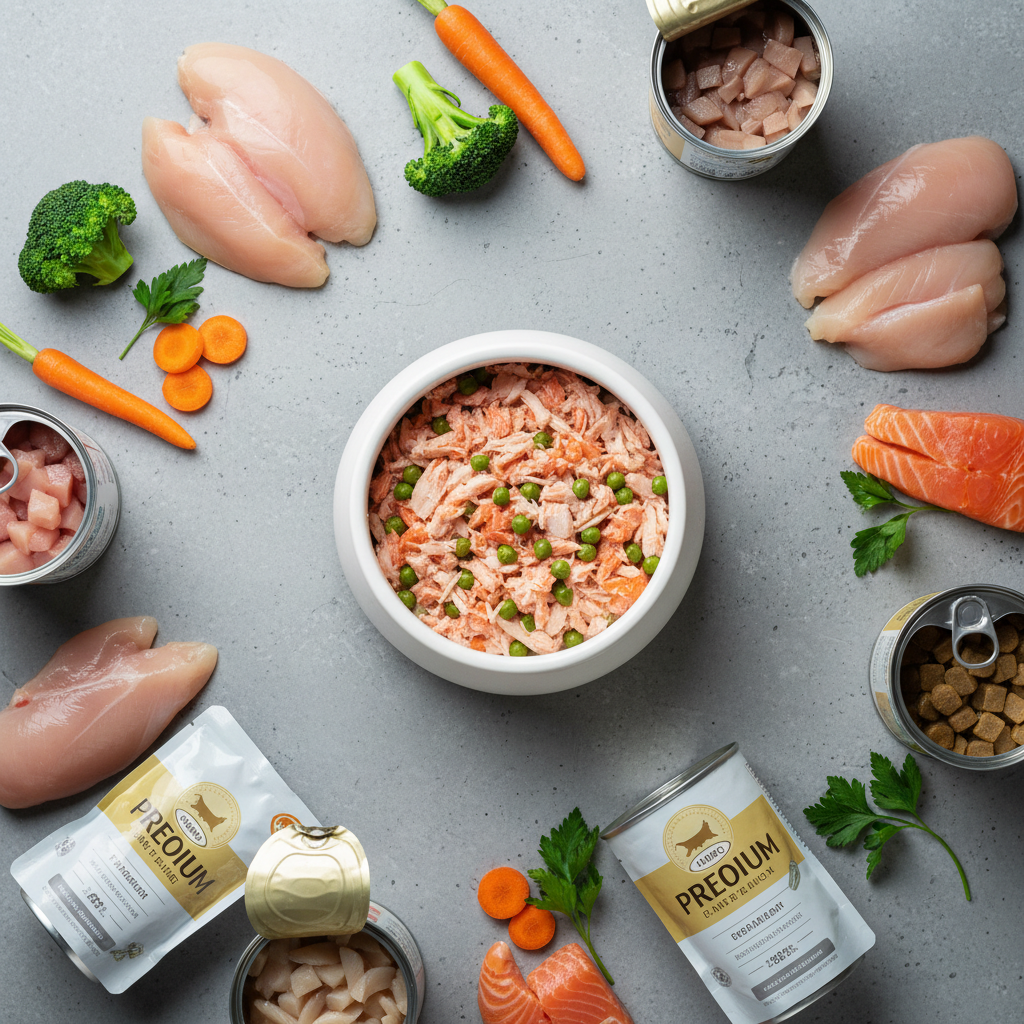
Choosing high-quality ingredients is key to making gourmet dog food. Opt for lean meats like chicken, turkey, or beef as primary protein sources. Incorporate a variety of vegetables such as carrots, peas, and sweet potatoes to add essential nutrients and fiber.
Creating a Balanced Recipe
When crafting your recipe, aim for a balanced composition. A simple guideline is to combine 40% protein, 50% vegetables, and 10% carbohydrates. Here's a basic recipe to get you started:
- 1 pound of lean ground turkey
- 1 cup of chopped carrots
- 1 cup of peas
- 1/2 cup of cooked brown rice
- 2 tablespoons of olive oil
Cook the turkey in olive oil until fully cooked. Add carrots and peas, simmering until tender. Stir in the cooked brown rice and allow the mixture to cool before serving.
Incorporating Supplements
Even with the best ingredients, homemade dog food might lack certain nutrients. Adding supplements can help fill these gaps. Common supplements include fish oil for omega-3 fatty acids and calcium for bone health. Always consult with your veterinarian before introducing any supplements to your dog’s diet.
Storage and Serving
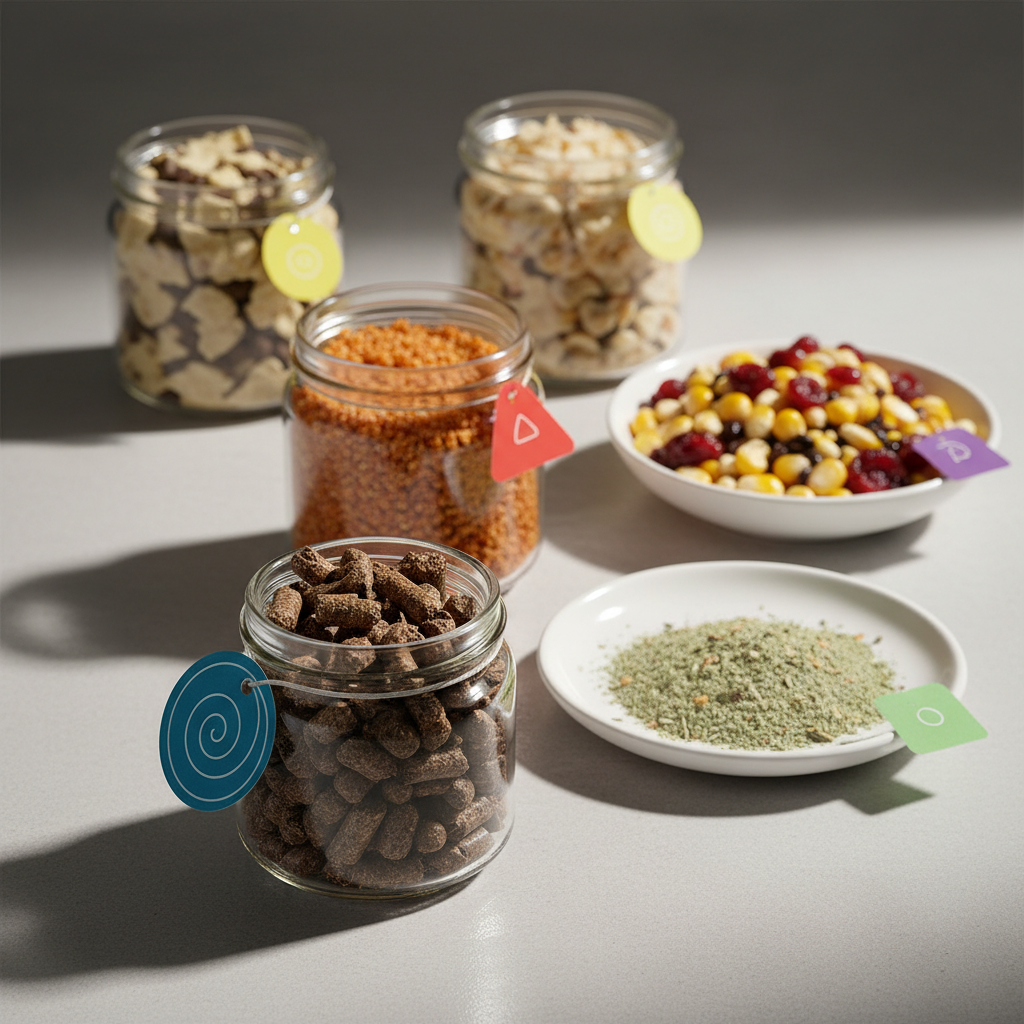
Proper storage is essential to maintaining the freshness of homemade dog food. Store portions in airtight containers and refrigerate for up to three days. For longer storage, consider freezing individual portions. When serving, ensure the food is at room temperature to prevent any digestive issues.
Transitioning your dog to homemade food should be gradual. Mix small amounts of the new food with their regular diet, increasing the proportion over a week or two.
Conclusion
Crafting gourmet dog food at home can be a joyful experience that enhances the bond between you and your pet. With careful planning and attention to detail, you can create meals that are not only delicious but also nutritious. Your dog will surely appreciate the effort and savor every bite!