
Creating a Personalized Exercise Plan for Your Dog
LM
Understanding Your Dog's Needs
Creating a personalized exercise plan for your dog is essential for their health and happiness. Just like humans, dogs require regular physical activity to maintain a healthy weight, improve cardiovascular health, and provide mental stimulation. Understanding your dog's specific needs is the first step in tailoring an exercise regimen that suits them best.

Consider Your Dog's Breed and Age
Different breeds have varying energy levels and exercise requirements. For instance, a Border Collie will need more vigorous exercise compared to a Bulldog. Age also plays a crucial role; puppies and young dogs generally require more playtime, while senior dogs may need gentler activities.
Assessing Your Dog's Current Fitness Level
Before starting a new exercise routine, it's important to assess your dog's current fitness level. Observing their behavior during play can provide insights. Are they easily tired, or do they seem to have boundless energy? This assessment will help you determine the intensity and duration of their exercises.
Developing the Exercise Plan
Once you understand your dog's needs, you can create a tailored exercise plan. A good plan should include a mix of activities that cater to both physical and mental stimulation, ensuring a well-rounded routine.
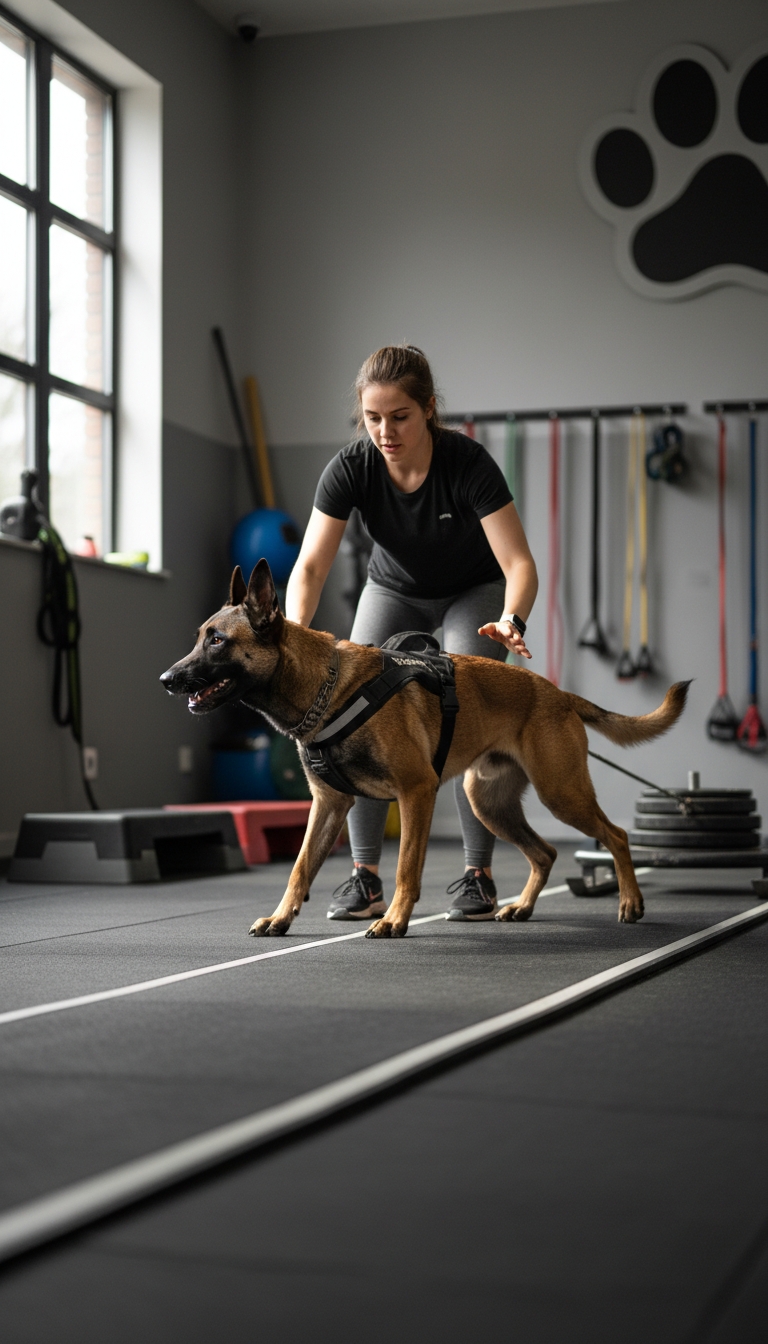
Incorporating Different Types of Exercise
Variety is key to keeping your dog engaged. Consider incorporating a mix of activities such as:
- Walks: Daily walks are essential for all dogs. Adjust the pace and distance based on your dog's age and breed.
- Playtime: Interactive games like fetch or tug-of-war are great for burning energy and bonding.
- Mental Stimulation: Puzzle toys and training sessions help keep your dog's mind sharp.
Setting Realistic Goals
Set achievable goals for your dog's exercise routine. Start with short sessions and gradually increase the duration and intensity as your dog becomes more conditioned. It's important to monitor their progress and make adjustments as needed.

Safety and Health Considerations
Safety should always be a priority when planning your dog's exercise routine. Ensure that the activities are suitable for their age and health condition. Regular check-ups with a veterinarian can help you stay informed about any health issues that might affect their ability to exercise.
Recognizing Signs of Overexertion
It's crucial to recognize signs of overexertion, such as excessive panting, limping, or reluctance to move. If you notice any of these signs, it's important to stop the activity and allow your dog to rest. Providing plenty of fresh water and a shaded area during outdoor activities is also essential.
By understanding and catering to your dog's unique needs, you can create an exercise plan that keeps them happy, healthy, and thriving. Tailoring their routine not only benefits their physical well-being but also strengthens the bond you share.