
DIY Dog Training Tips Every Alameda Dog Owner Should Know
LM
Understanding Your Dog’s Behavior
Every dog has a unique personality, and understanding your furry friend's behavior is the first step in effective training. Dogs communicate through body language, so being attentive to their signals can greatly improve your training sessions. Observe their tail wagging, ear position, and vocalizations to gauge their comfort and mood.
Paying attention to these cues helps you tailor your training approach to suit your dog's needs. For instance, if your dog seems anxious, it might be beneficial to start with calming exercises before moving on to more complex tasks.
Basic Commands: The Foundation of Training
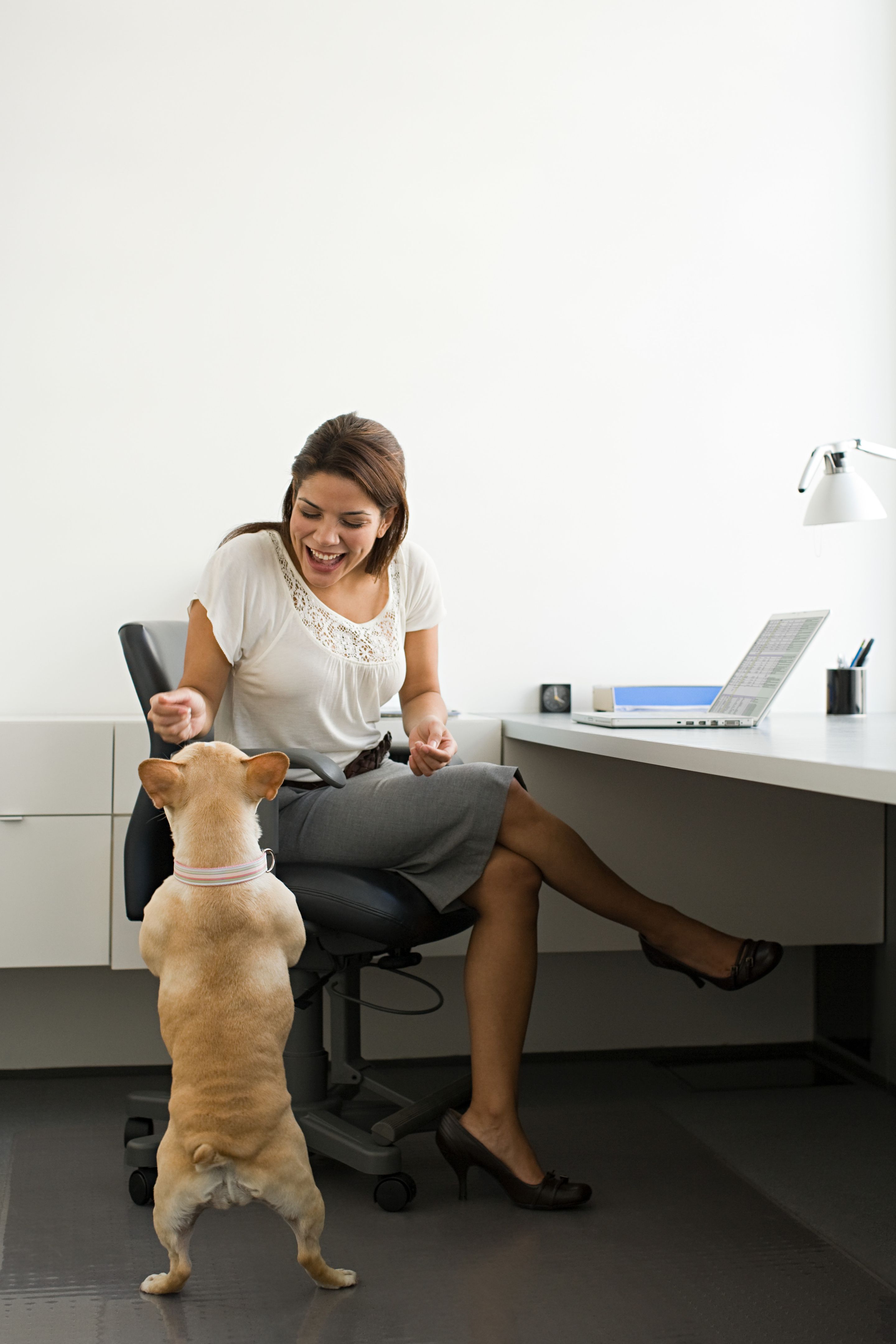
Teaching your dog basic commands like "sit," "stay," and "come" is crucial. These commands not only ensure good behavior but also enhance your dog's safety. Start with short sessions to keep your dog engaged and gradually increase the duration as they become more comfortable.
Consistency is key. Use the same commands and gestures each time you practice. Reward your dog with treats or praise to reinforce their learning and keep them motivated.
Positive Reinforcement Techniques
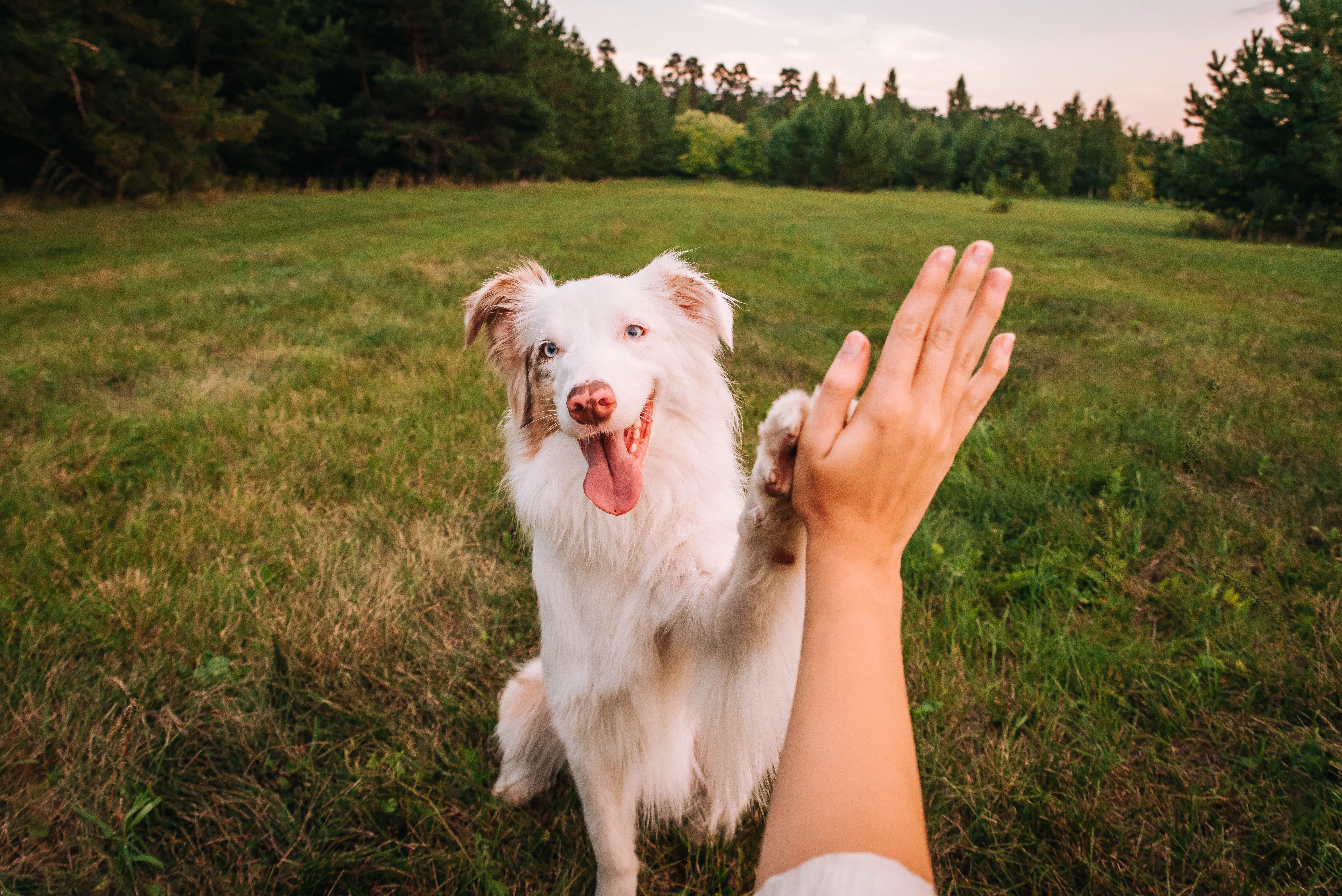
One of the most effective training methods is positive reinforcement. This involves rewarding your dog for desired behaviors, making them more likely to repeat those actions. Treats, toys, and verbal praise can all serve as rewards.
Create a reward system that works for your dog. Some might respond well to treats, while others might prefer playtime or a favorite toy. The goal is to make training a fun and rewarding experience for both of you.
Addressing Behavioral Issues
Dealing with behavioral issues such as barking, chewing, or digging requires patience and understanding. Identify the root cause of the behavior. Is your dog bored, anxious, or seeking attention?
Once you understand the cause, you can address it with specific training techniques. For example, providing interactive toys can help alleviate boredom, while socialization exercises can reduce anxiety.
Socialization: A Key Aspect of Training
Socializing your dog is essential for their development. Introduce your dog to different environments, people, and other animals gradually. This helps them become well-adjusted and confident in various situations.

Training Tools and Resources
Utilizing the right tools can enhance your training efforts. Leashes, clickers, and harnesses are just a few items that can aid in effective training. Additionally, there are numerous online resources and local trainers in Alameda that can provide guidance and support.
Consider joining local dog training classes or groups. These not only offer structured training but also provide a community of fellow dog owners to share tips and experiences.
Maintaining a Training Routine
Consistency and routine are vital in dog training. Establish a regular schedule for training sessions to reinforce learning and build habits. Even as your dog masters basic commands, continue to challenge them with new tasks to keep their mind active.
Remember, training is a continuous process. Regular practice ensures that your dog retains their skills and remains well-behaved.
Celebrating Successes and Progress
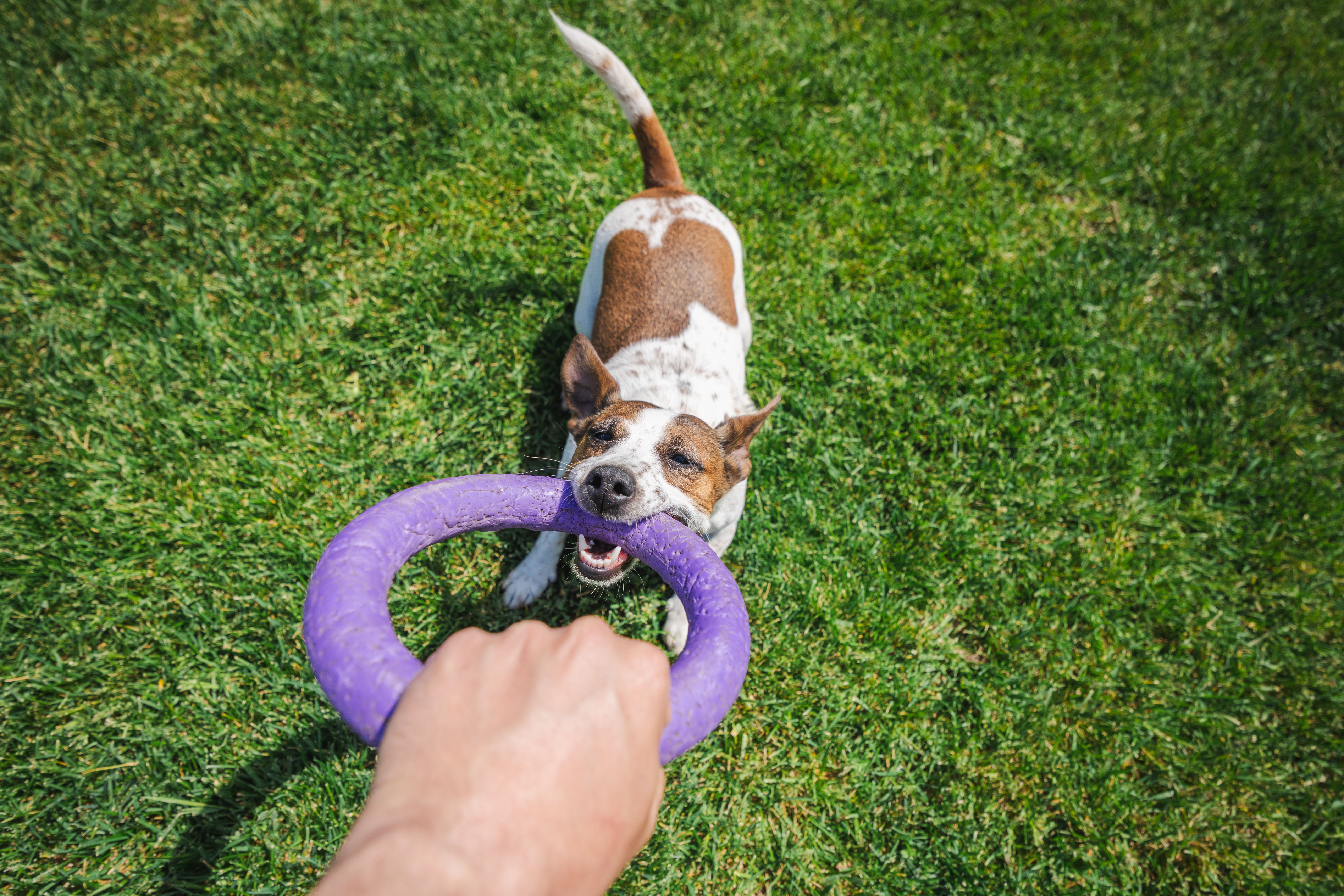
Training a dog is a journey filled with small victories. Celebrate your dog's progress, no matter how minor it seems. Recognizing and rewarding improvements keeps the training experience positive and reinforces the bond between you and your dog.
In conclusion, with patience, consistency, and love, you can effectively train your dog and enjoy a harmonious relationship. Whether you’re a first-time dog owner or an experienced handler, these DIY tips can help make training a rewarding experience for both you and your furry companion.