
How to Create a Balanced Exercise Plan for Your Dog
LM
Understanding Your Dog's Needs
Creating a balanced exercise plan for your dog begins with understanding their individual needs. Different breeds and sizes have unique exercise requirements. For instance, a high-energy breed like a Border Collie will need more activity compared to a more sedentary breed like a Bulldog. It's important to consider your dog's age, health, and personality when planning their routine.
Consulting with Your Veterinarian
Before implementing a new exercise regimen, consult with your veterinarian. They can provide insights into any health issues that may affect your dog's ability to exercise. This step ensures that the plan is safe and effective, tailored to your dog's specific health conditions.
Types of Exercise to Include
A balanced exercise plan should incorporate a mix of activities. This not only keeps your dog physically fit but also mentally stimulated. Activities can include:
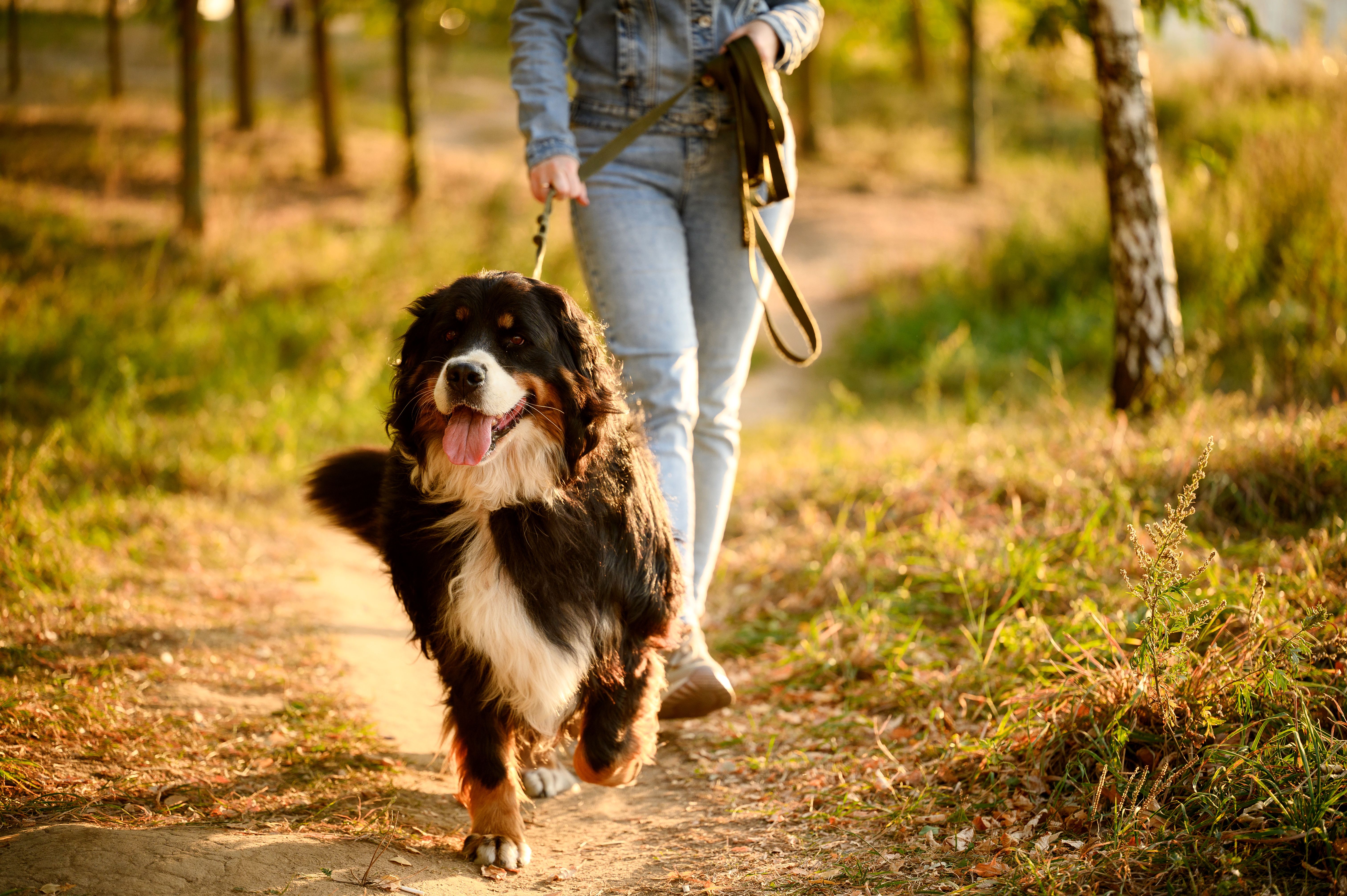
- Walking: A daily walk is essential for most dogs. It helps maintain a healthy weight and provides mental stimulation.
- Playtime: Engage in play activities like fetch or tug-of-war to strengthen your bond and keep your dog entertained.
- Training Exercises: Incorporate obedience training or agility exercises to challenge their mind and body.
Creating a Weekly Schedule
Develop a weekly exercise schedule that varies the types of activities. This prevents boredom and ensures a comprehensive workout. A sample schedule might include longer walks on certain days, combined with play sessions and training activities on others.
Monitoring and Adjusting the Plan
Regularly assess your dog's response to the exercise plan. Look for signs of overexertion, such as excessive panting or limping, and adjust the intensity as needed. It's important to increase activity levels gradually to avoid injury.

Incorporating Rest Days
Rest is just as important as activity. Ensure your dog has sufficient downtime to recover, especially after intense exercise sessions. Rest days help prevent fatigue and allow muscles to repair, contributing to overall well-being.
The Importance of Consistency
Consistency is key in any exercise plan. Keep a regular schedule to help your dog develop a routine. This stability promotes not only physical health but also emotional well-being, as dogs thrive on predictability.
By understanding your dog's needs and creating a varied and consistent exercise plan, you can ensure they lead a happy and healthy life. Regular activity not only keeps them fit but also enhances their quality of life, strengthening the bond between you and your furry friend.