
How to Create a Tailored Exercise Plan for Your Dog
LM
Understanding Your Dog's Needs
Creating a tailored exercise plan for your dog begins with understanding their unique needs. Factors such as age, breed, size, and health condition play a significant role in determining the appropriate level of activity. For instance, larger breeds like Labradors may require more vigorous exercise compared to smaller breeds like Pugs.
It's also essential to consider your dog's personality. Energetic dogs may benefit from more frequent and intense activities, while calmer dogs might enjoy gentler exercises. Consulting with your veterinarian can provide insights into your dog's specific health and fitness requirements.
Setting Realistic Goals
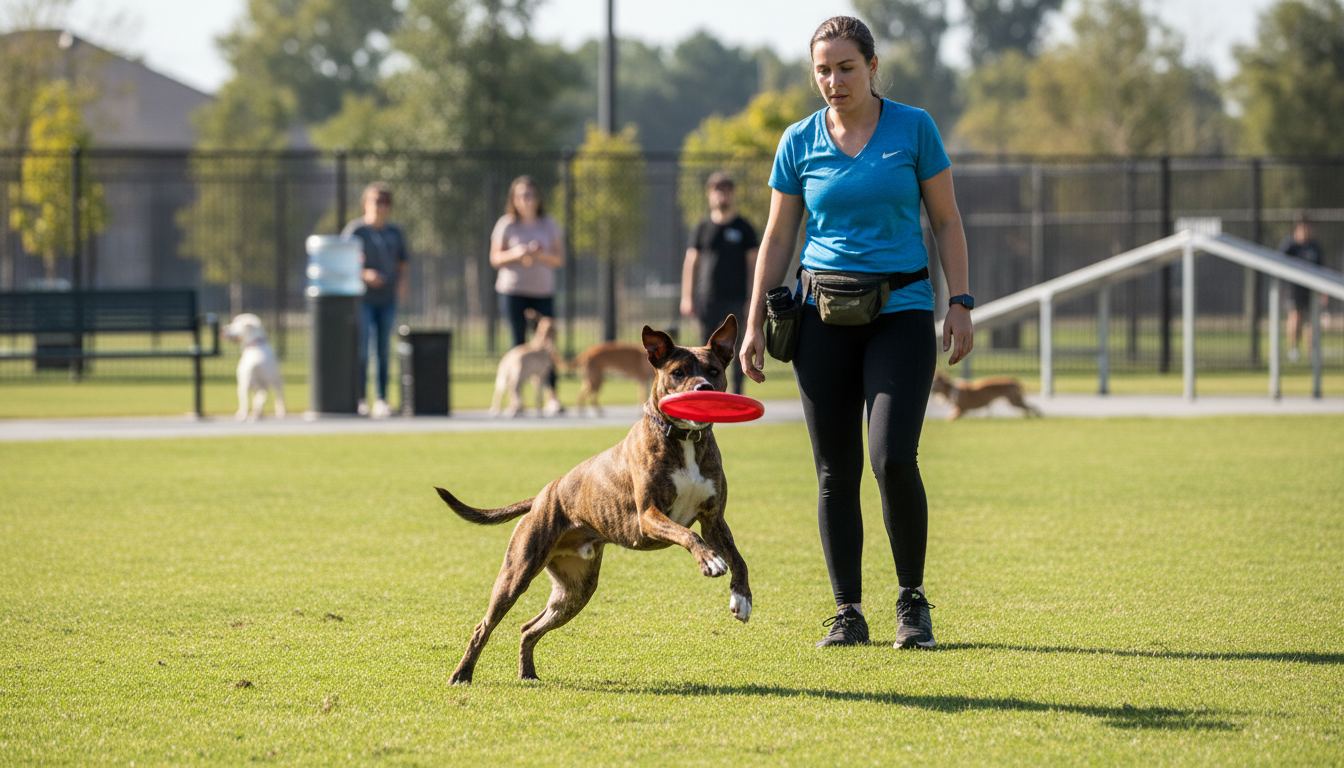
Once you have a good understanding of your dog's needs, the next step is to set realistic exercise goals. Start by establishing a routine that fits into your daily schedule. Consistency is key, so aim for a balanced mix of short walks, playtime, and more structured activities like agility training.
Consider setting weekly targets to gradually increase the intensity and duration of your dog's exercise. This approach helps in building stamina and keeping your dog engaged without overwhelming them. Remember, the goal is to keep it fun and rewarding for both you and your pet.
Choosing the Right Activities
When it comes to selecting activities, variety is important to prevent boredom. Here are some exercise options to consider:
- Walking: A daily walk can improve cardiovascular health and is great for mental stimulation.
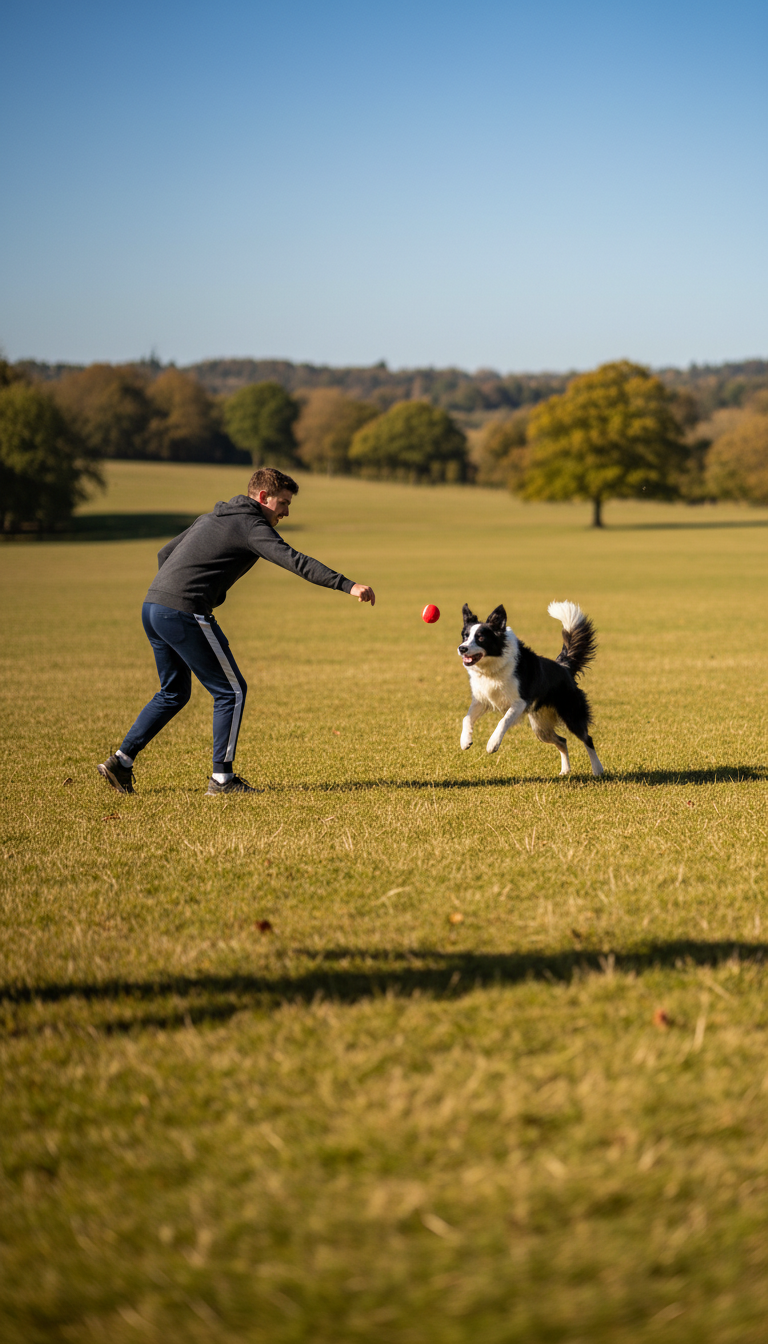
- Fetch: Playing fetch can help with speed and agility while strengthening the bond between you and your dog.
- Swimming: Ideal for dogs with joint issues, swimming is a low-impact exercise that provides a full-body workout.
Monitoring Progress and Health
Regularly monitoring your dog's progress is crucial to ensure they are benefiting from their exercise routine. Look for signs of improvement in their physical fitness and overall mood. A happy and healthy dog will exhibit increased energy levels and a playful demeanor.
If you notice any signs of fatigue or discomfort, it may be necessary to adjust the intensity or type of exercise. Always listen to your dog's body language and consult with your vet if you have concerns about their health.
Incorporating Socialization
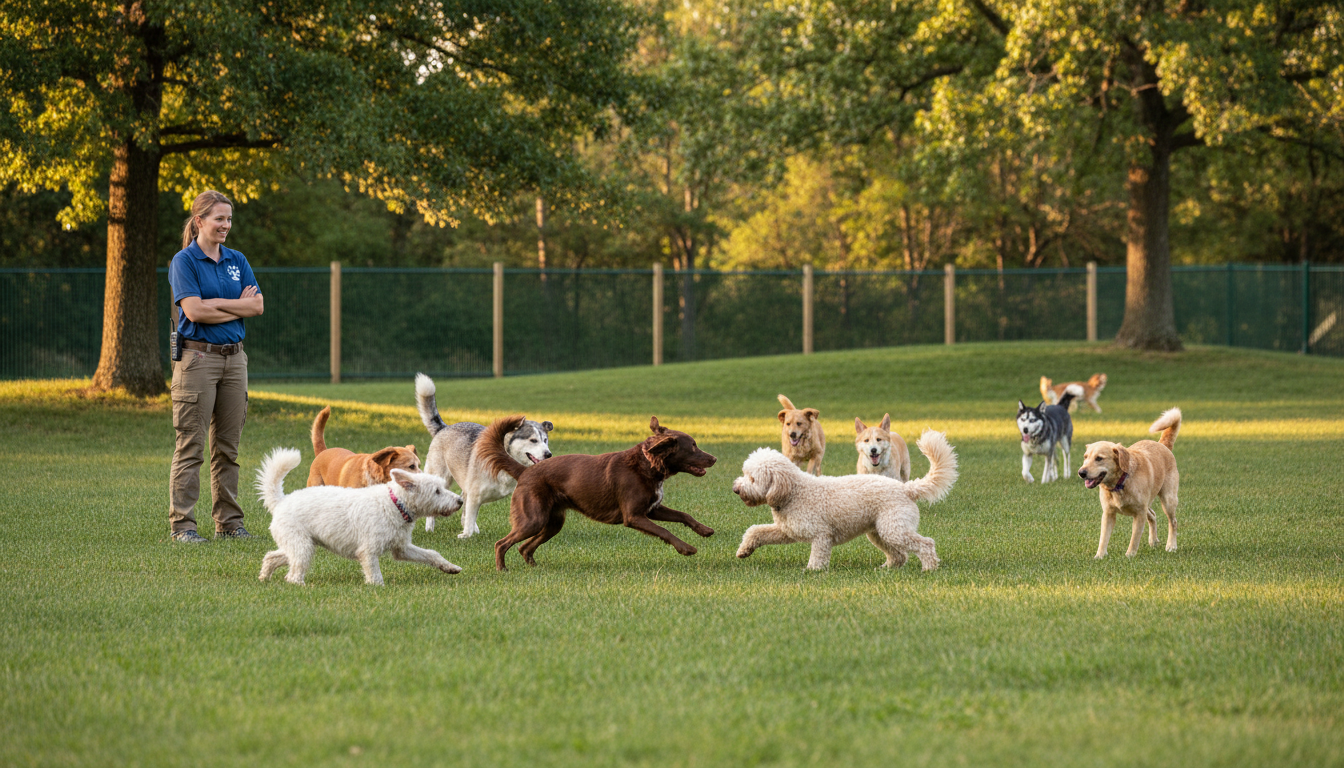
Exercise can also be a fantastic opportunity for socialization. Introducing your dog to new environments and other animals can improve their social skills and reduce anxiety. Consider visiting dog parks or arranging playdates with other dogs to enhance their social experiences.
Adapting to Changes
As your dog ages or if their health condition changes, it's important to adapt their exercise routine accordingly. Older dogs or those with health issues may require shorter, more frequent walks or low-impact activities. Regular check-ups with your vet can help guide these adjustments, ensuring your dog remains healthy and active throughout their life.
Remember, a well-rounded exercise plan not only enhances your dog's physical health but also contributes to their mental well-being. By investing time in creating a tailored exercise routine, you're supporting a happy and healthy life for your furry friend.