
How to Create the Perfect Holistic Exercise Plan for Your Dog
LM
Understanding Your Dog’s Needs
Creating a holistic exercise plan for your dog starts with understanding their unique needs. Just like humans, dogs require a balance of physical activity, mental stimulation, and rest. Consider your dog’s age, breed, and health status to tailor the plan effectively. Puppies and young dogs have different needs compared to older dogs, and breeds vary in their energy levels and exercise requirements.
Physical Exercise
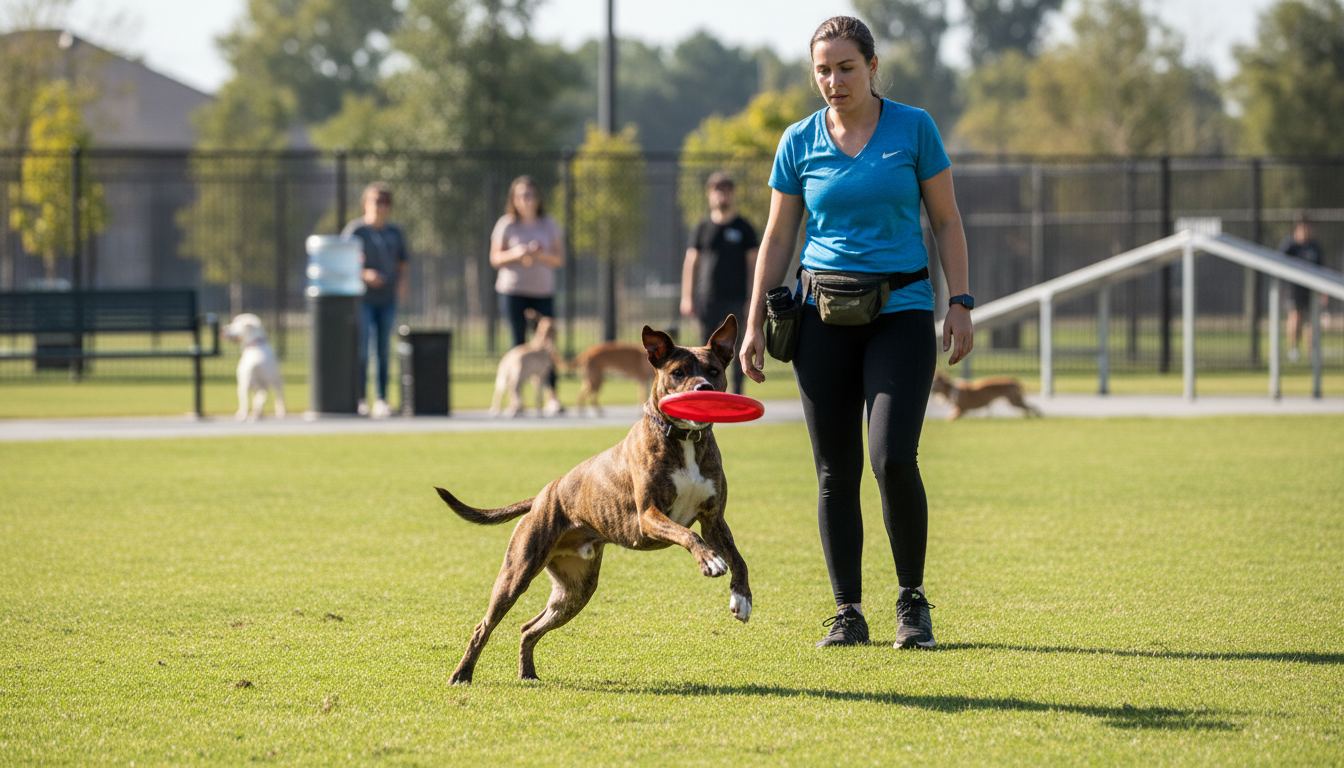
Physical activity is crucial for maintaining your dog’s health. Regular walks, playtime in the yard, or a game of fetch can keep your dog fit and happy. Depending on your dog’s breed, you might need to incorporate more vigorous activities like running or agility training. Aim for at least 30 minutes to 2 hours of physical activity daily, adjusting as needed based on your dog’s energy levels.
Incorporating Variety
To keep your dog engaged, mix up the activities. Consider swimming if your dog enjoys it, or hiking if you both love the outdoors. Variety not only makes exercise more fun but also works different muscle groups, promoting overall fitness. Remember to always monitor your dog for signs of fatigue or discomfort and adjust the activity accordingly.

Mental Stimulation
Mental exercise is just as important as physical activity. Dogs are intelligent creatures that thrive on mental challenges. Use puzzle toys, scent work, or training sessions to keep their minds sharp. Teaching your dog new tricks can also be a fun way to bond while providing mental stimulation.
Interactive Play
Interactive play with your dog is a great way to provide both physical and mental exercise. Games like hide and seek, tug-of-war, or using interactive toys can engage your dog’s mind and body, offering a comprehensive workout. Always ensure the games are safe and suitable for your dog’s age and size.
Ensuring Adequate Rest
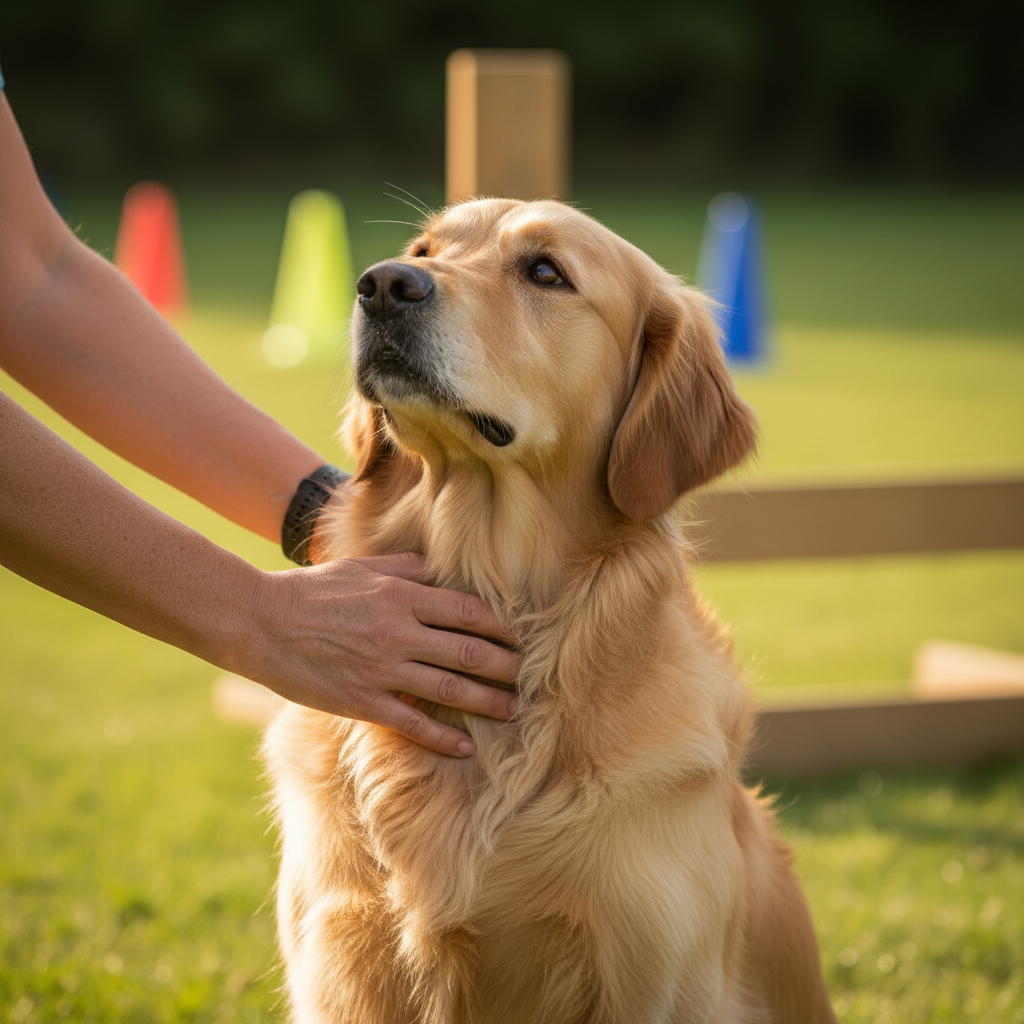
Rest and recovery are essential components of any exercise plan. Ensure your dog has a comfortable space to relax and sleep. Dogs need more sleep than humans, often around 12-14 hours a day, depending on their age and activity level. Adequate rest helps prevent injuries and keeps your dog refreshed for future activities.
Monitoring and Adjusting
Regularly monitor your dog’s behavior and physical condition. Look for signs of over-exertion such as limping, excessive panting, or reluctance to move. Adjust the exercise plan as needed to ensure it remains suitable for your dog’s changing needs. Consulting your veterinarian can also provide insights into the best exercise regimen for your furry friend.
Creating a Routine
Consistency is key when it comes to exercise. Establish a routine that includes a mix of activities throughout the week. This helps your dog know what to expect and look forward to their exercise time. A structured routine also assists in managing your dog’s behavior and maintaining a healthy lifestyle.