
How to Prepare Your Dog for Seasonal Changes in Alameda
LM
Understanding Seasonal Changes in Alameda
Alameda experiences a range of seasonal changes that can affect your dog's well-being. From the mild winters to the warm summers, each season brings its own set of challenges. Being aware of these changes is the first step in preparing your furry friend for the shifting environment.
As the weather transitions, your dog may experience changes in coat density, behavior, and energy levels. It's important to recognize these signs and adjust your care routine accordingly to keep your pet comfortable and healthy.
Adjusting Diet and Nutrition
Seasonal changes often require adjustments to your dog's diet. During colder months, you might notice your dog needs more calories to maintain body heat. Conversely, in warmer months, a lighter diet may be beneficial. Always consult with your veterinarian to tailor your dog's nutrition to their specific needs.
Consider adding supplements like omega-3 fatty acids for a healthier coat, especially during shedding seasons. Fresh, clean water is also crucial year-round, but particularly during hot summer days to prevent dehydration.
Exercise and Outdoor Activities
Adapting your dog's exercise routine is essential as seasons shift. In winter, shorter, more frequent walks might be necessary, while summer allows for extended playtime in the cooler parts of the day. Alameda offers numerous dog-friendly parks for enjoyable outdoor activities.
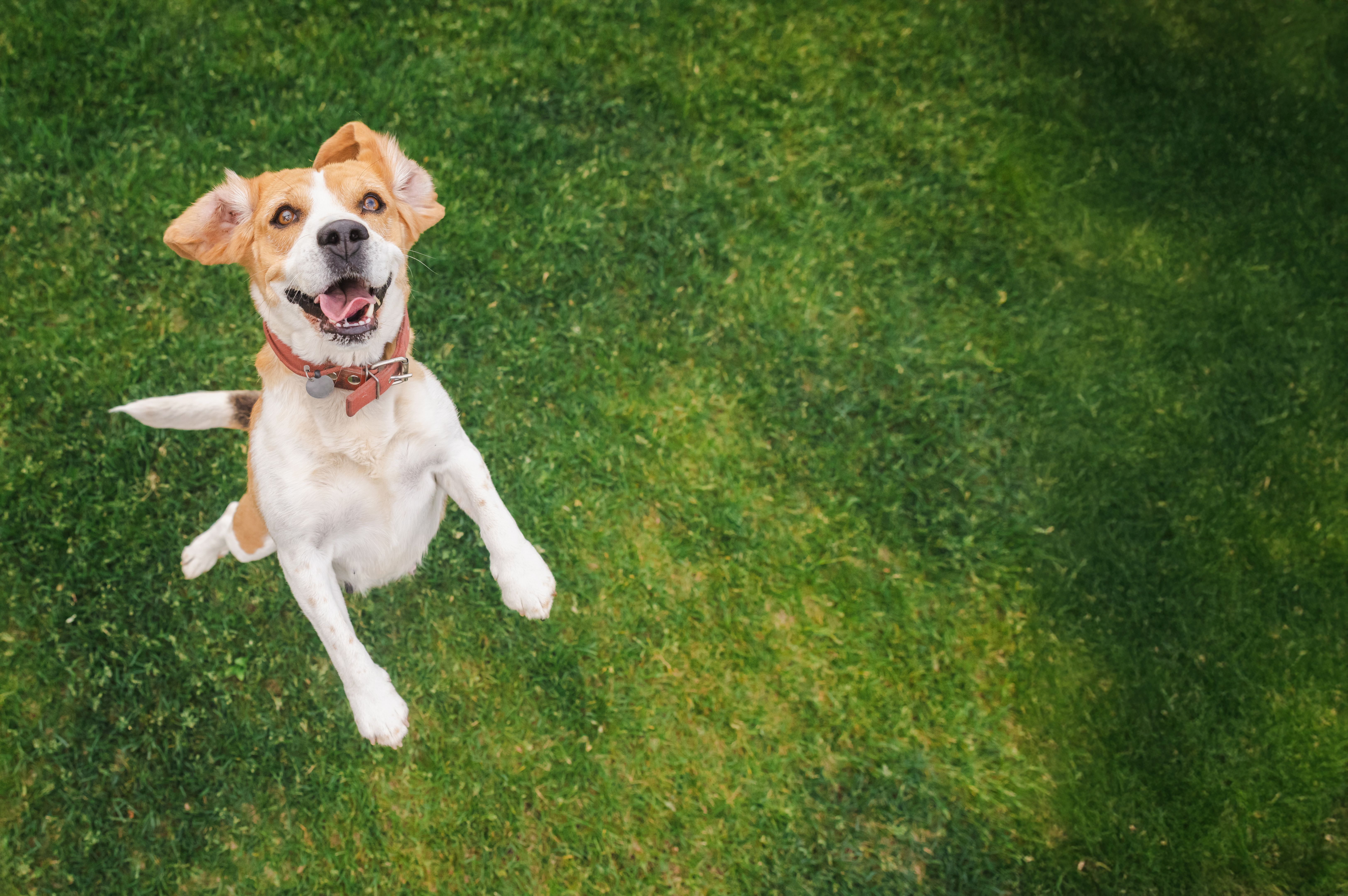
If your dog is sensitive to cold or heat, consider indoor exercises or activities. Puzzle toys and interactive games can keep your pet mentally stimulated during extreme weather conditions.
Grooming and Coat Care
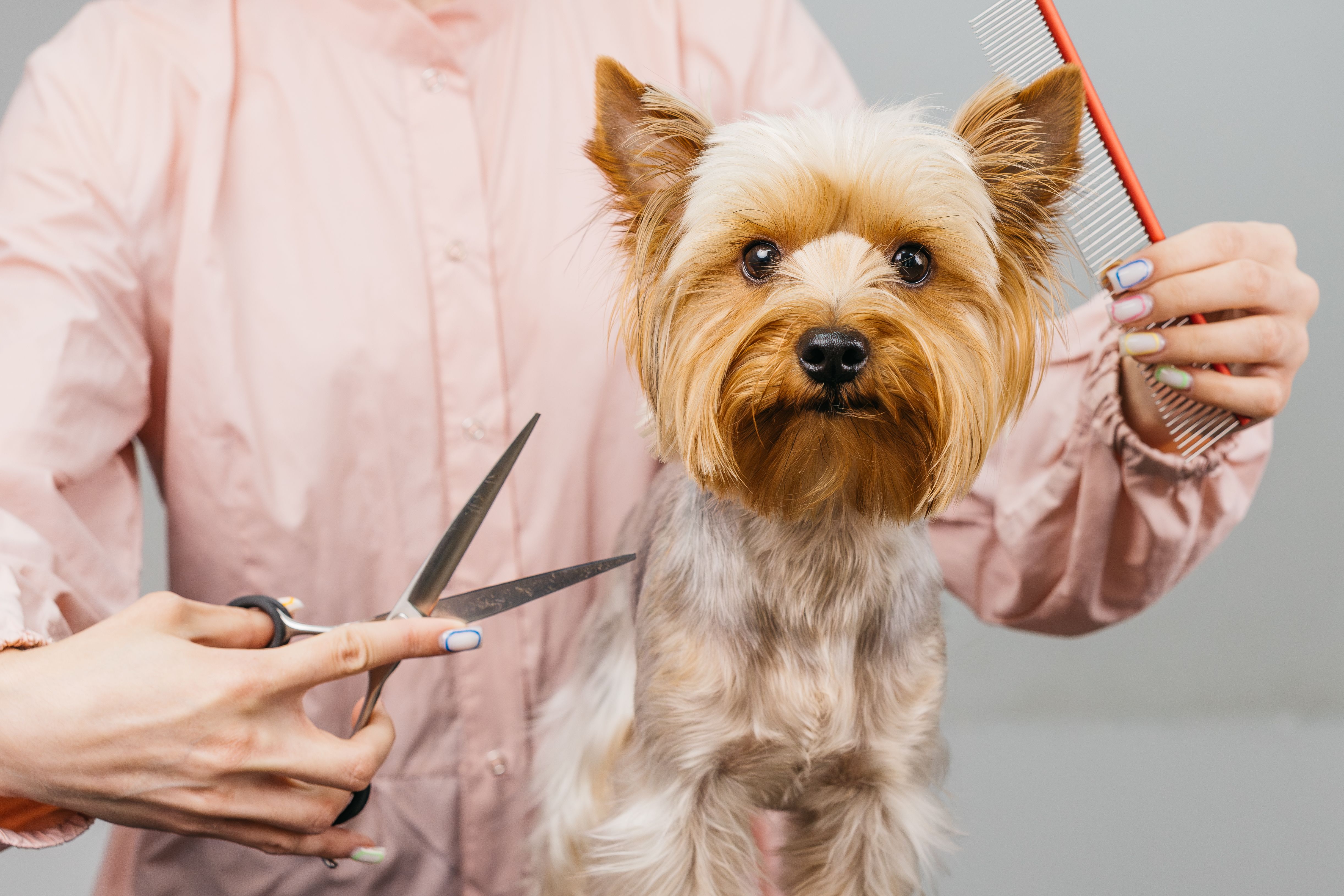
Regular grooming is vital throughout the year but becomes particularly important during seasonal transitions. Brushing your dog more frequently helps manage shedding and keeps their coat healthy. In winter, a well-maintained coat provides insulation, while in summer, it helps with ventilation.
Bathing should be adjusted according to your dog's needs and the climate. Ensure your pet's coat is completely dry after every bath, especially in colder months, to prevent chills and discomfort.
Protecting Against Seasonal Allergies
Just like humans, dogs can suffer from seasonal allergies. Pollen, dust, and mold are common allergens that can cause discomfort. Symptoms may include itching, redness, or sneezing. Consult your vet for appropriate treatments or preventive measures.
Regularly cleaning your dog's paws and fur after outdoor play can help minimize exposure to allergens. Keeping your home clean and using air purifiers can also reduce allergens in your dog's environment.
Preparing for Seasonal Hazards
Each season brings its own set of hazards. In winter, be mindful of antifreeze spills and cold weather risks, while summer requires vigilance against heatstroke and ticks. Ensure your pet's safety with appropriate gear like coats, booties, or cooling vests when needed.
Being proactive and informed about these dangers can help you protect your furry friend year-round, ensuring they enjoy each season to the fullest.