
Top 5 Tips for Choosing a Dog Walker in Alameda
LM
Understanding Your Dog's Needs
Choosing the right dog walker in Alameda starts with understanding your dog's specific needs. Different dogs have different requirements based on their breed, age, and health. For instance, a young Labrador might need a long, vigorous walk, while an older Pug may require a shorter, gentler stroll. Assessing these needs will guide you in selecting the most suitable walker for your pet.
It's also essential to consider any special requirements your dog may have, such as medication or behavioral concerns. A walker experienced with these needs can offer a more tailored service, ensuring your pet's well-being.
Research and Referrals
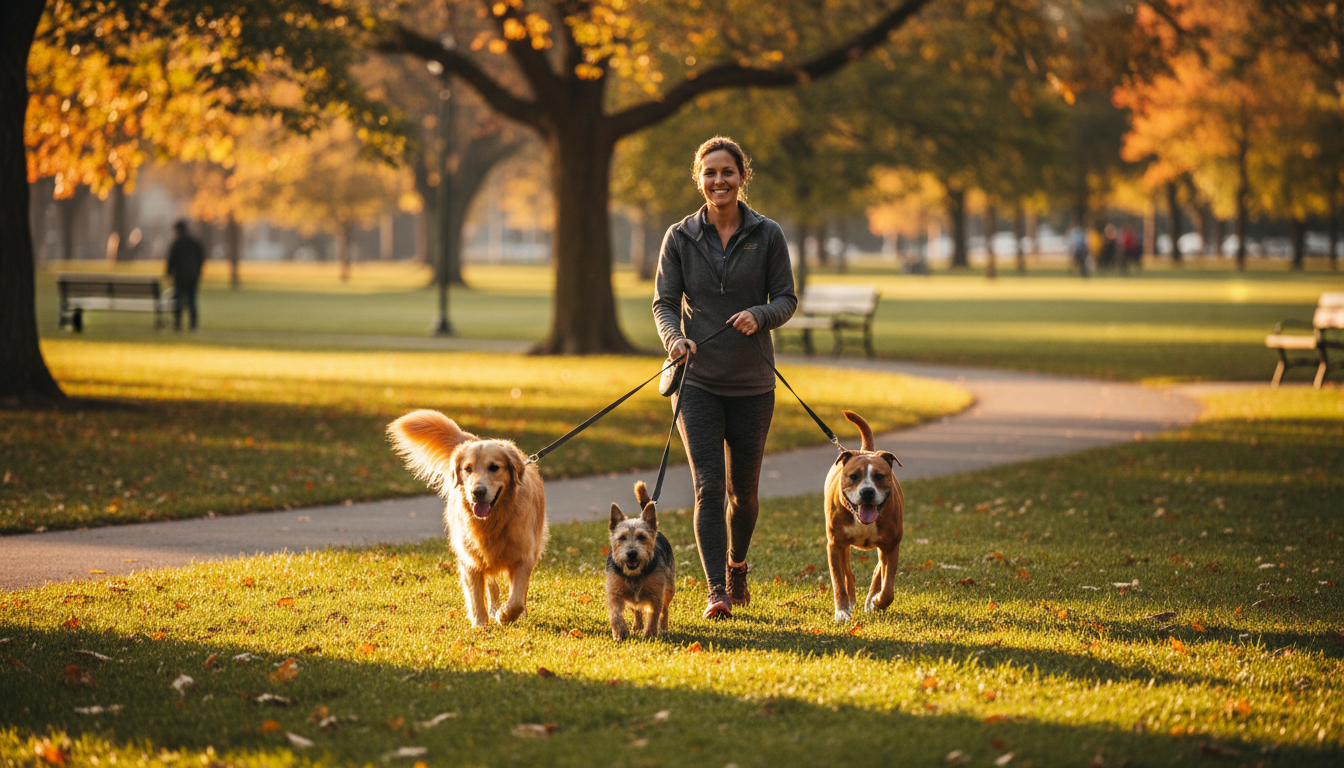
One of the most reliable ways to find a trustworthy dog walker is through referrals. Ask friends, family, or neighbors if they have any recommendations. Personal experiences can provide valuable insights into the quality of service.
Additionally, take advantage of online resources. Websites like Yelp or local community forums often have reviews and ratings that can help you gauge the reputation of potential candidates. Look for walkers with consistently positive feedback.
Interview Potential Walkers
Once you've narrowed down your list, it's time to interview potential walkers. Prepare a list of questions to understand their experience, availability, and approach to handling dogs. Inquire about their previous experiences with dogs similar to yours, and ask how they would manage various situations.
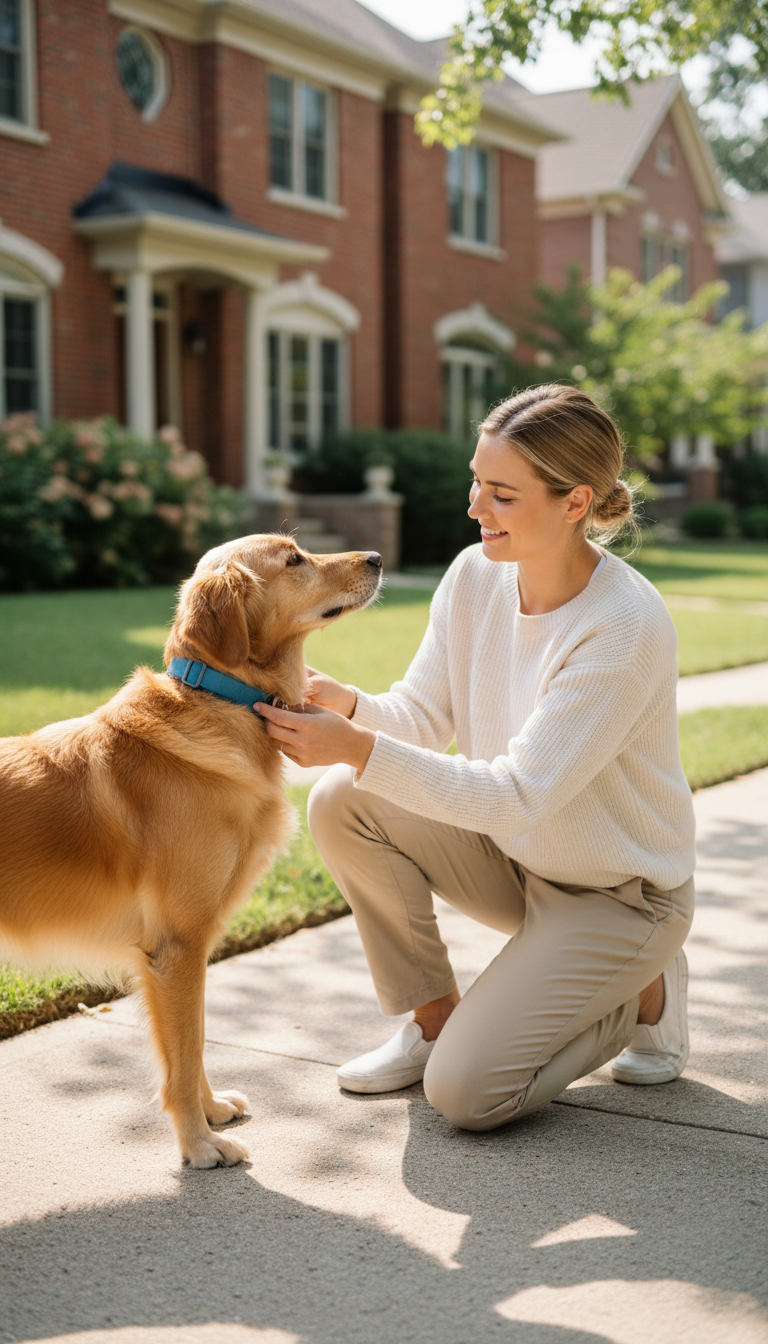
During the interview, observe their interaction with your dog. A good walker will be attentive and responsive, showing genuine interest in your pet's comfort and happiness. This interaction can be a telling sign of how well they'll bond with your dog.
Check for Certifications and Insurance
While not always mandatory, certifications can be a plus. Look for walkers who have completed pet care courses or hold certifications from recognized organizations. This can indicate a higher level of professionalism and commitment to pet care.
Insurance is another critical factor. A walker with insurance provides peace of mind, ensuring that any accidents or emergencies will be covered. This is particularly important if your dog has specific health concerns or behavioral issues.
Trial Walk and Feedback
Before making a final decision, arrange a trial walk. This allows you to see the walker in action and ensures your dog is comfortable with them. Pay attention to how your pet reacts before, during, and after the walk.
After the trial, seek feedback from the walker about the experience. A professional walker will provide insights into your dog's behavior and any adjustments needed for future walks. Their feedback, combined with your observations, will help you make an informed decision.